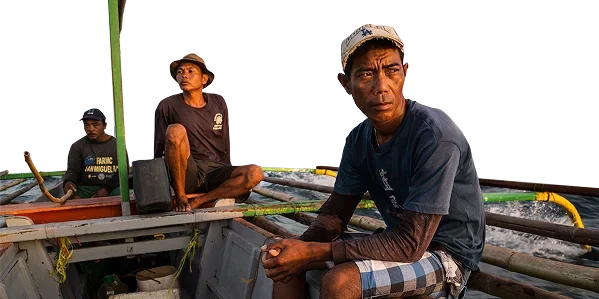
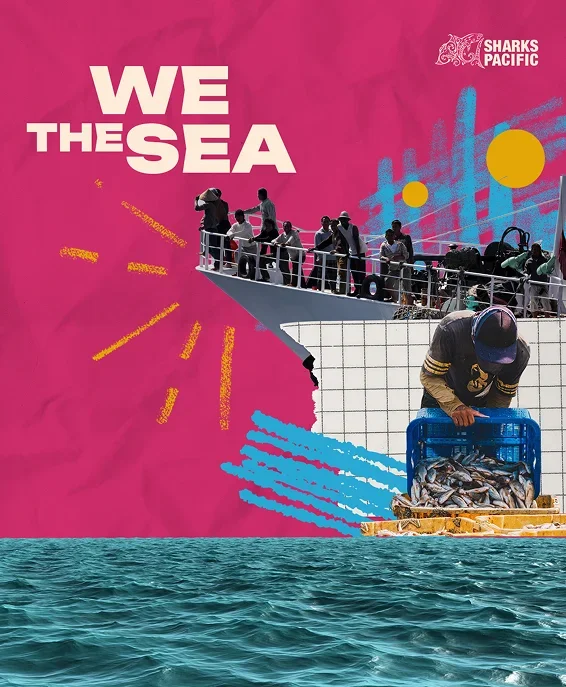
There's no fisheries management and conservation without accountability. Out on the high seas, crews can go months to years without a port call, and catch and crew change vessels with no independent oversight. We The Sea brings fishers, scientists and communities together to move transshipment into the ports, where people and catch can be accounted for, safely and transparently.
Learn More
What happens at sea, shouldn’t stay at sea
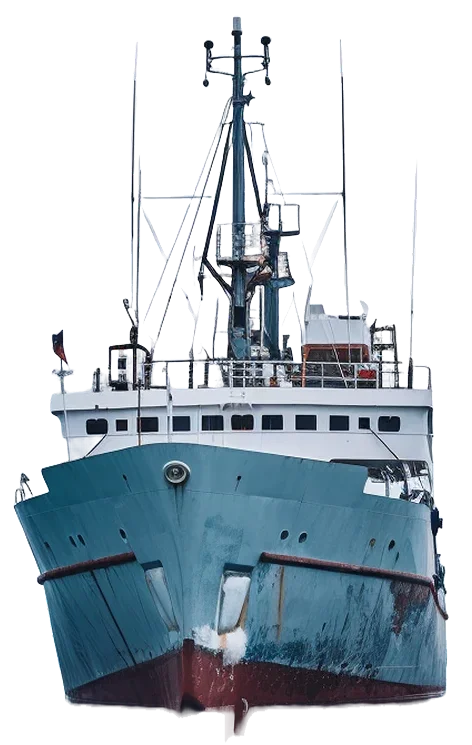
Transshipment is the transfer of catch from a fishing vessel to a carrier vessel., When it happens In port or within national waters, there’s independent oversight ensuring that the catch is monitored and verified, and crew have access to port side services, like medical facilities, contact with family, and protection from labour abuses. The port states also benefit from the range of services that can be provided like fuel, provisions, maintenance and more verify .
When transshipment happens on the high seas, it’s a black box of uncertainty. There’s no independent oversight, meaning that there’s uncertainty around, what was caught, where it was caught, and who caught it. It makes it impossible to know the origins of your fish.
In the Western and Central Pacific Ocean, Pacific Island nations are calling for an end to transshipment on the high seas. Yet, some distant water fishing nations say it’s impracticable, or too costly, to bring the practice into port. However, a recent study showed that for nearly half of the transshipments that were tracked at the vessel level, a port would have been closer than the carrier vessel they sailed too. This means that vessel claims that transshipments are too costly in port are false.



What is Transhipment?

High Hopes for the High Seas
We the Sea brings together fishers, scientists, and citizens to call for a ban on high seas transshipment in the Pacific. From November 30-December 5, nations will meet and decide whether or not to act – to bring all high seas transshipments into port, or into Pacific nations’ waters, where they can be monitored.
In 2009, high-seas transshipment was banned in the WCPFC, except where it was "impracticable" for a vessel to pull into port, or if it substantially changed its historical fishing. However, there was never agreement on how to define impracticable. So, for 17 years, fleet owners have exploited the lack of agreement and made high seas transshipment the rule, when it was meant to be the exception.Now fisheries managers, fishers, scientists, and advocates across the Pacific and Asia are asking for one thing: close this loophole to and bring transshipments back into ports and national waters, where they can be monitored and crew can be protected.
Key Dates
11-22 January 2027
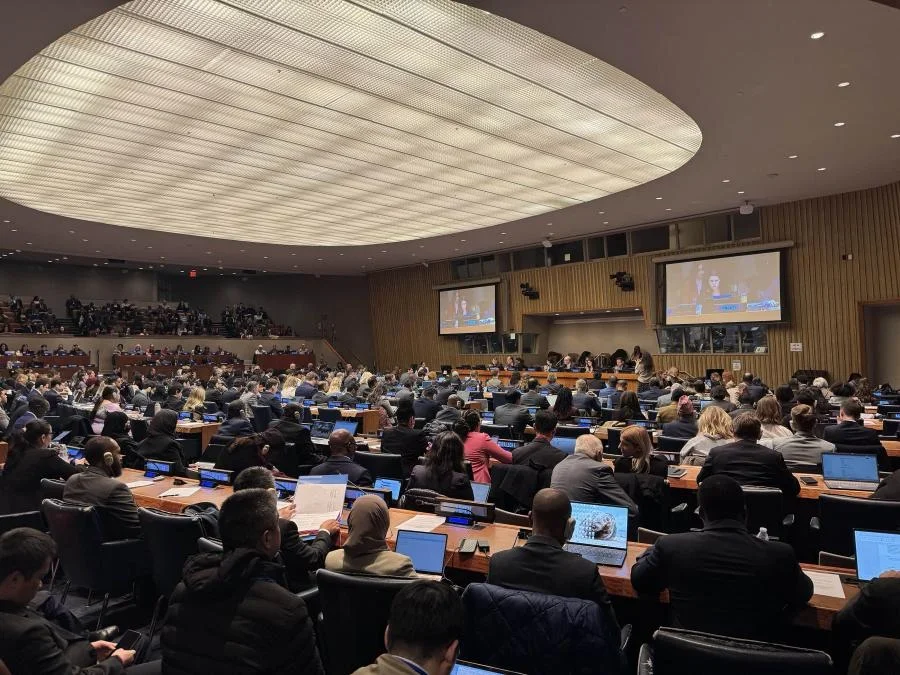
BBNJ COP1
The first Conference of the Parties to the BBNJ Agreement, better known as the High Seas Treaty, at UN Headquarters, New York. Governments meet for the first time to decide how the treaty will protect marine life in waters beyond national borders.
south-korea
30 November 2026
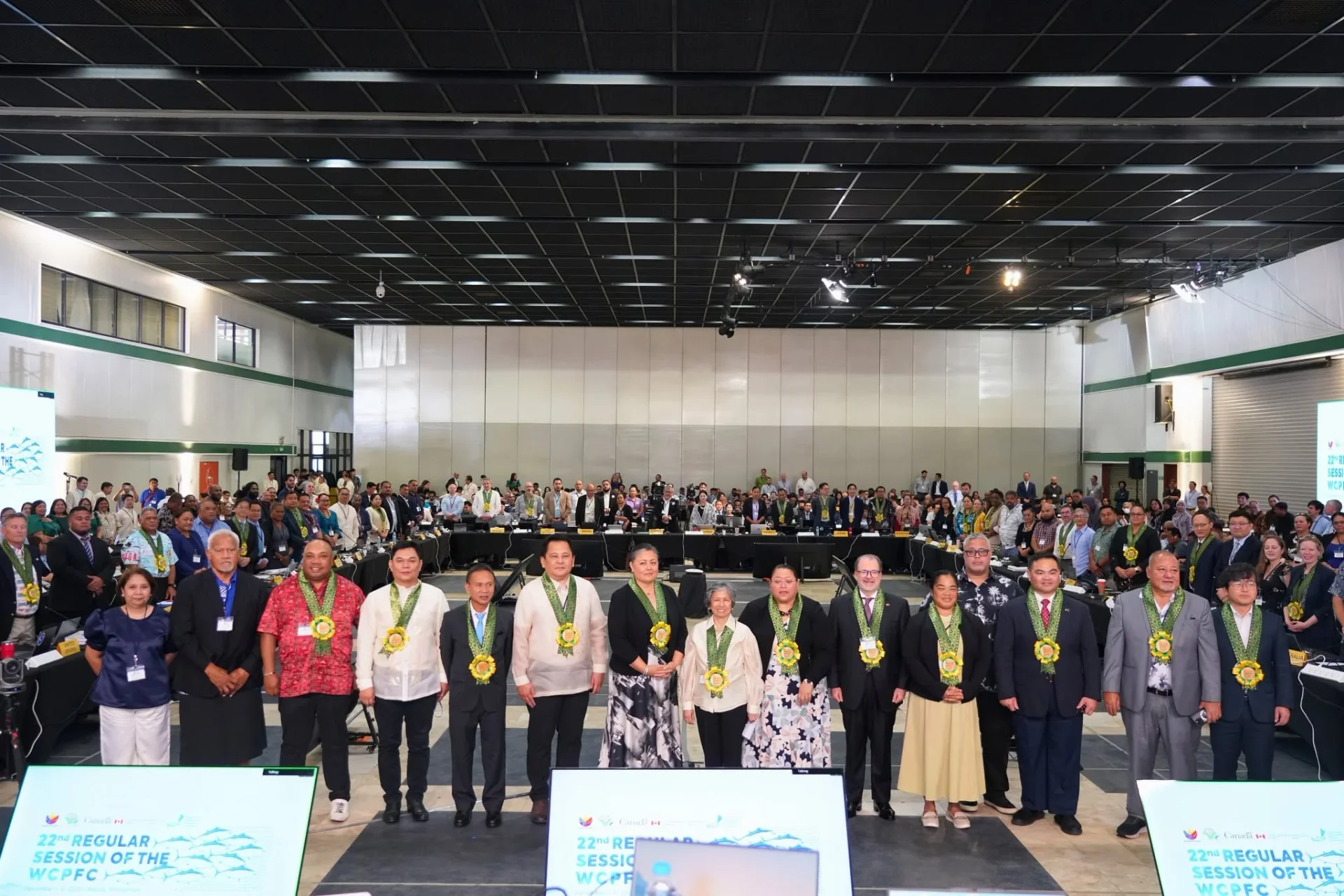
WCPFC Meeting
The 23rd Regular Session of the Western and Central Pacific Fisheries Commission (WCPFC) in Port Vila, Vanuatu. WCPFC manages the world’s largest tuna fishery and sets the rules on catch, sharks and transshipment across the Pacific.
south-korea
11-22 January 2027
BBNJ COP1
The first Conference of the Parties to the BBNJ Agreement, better known as the High Seas Treaty, at UN Headquarters, New York. Governments meet for the first time to decide how the treaty will protect marine life in waters beyond national borders.
japan
30 November 2026
WCPFC Meeting
The 23rd Regular Session of the Western and Central Pacific Fisheries Commission (WCPFC) in Port Vila, Vanuatu. WCPFC manages the world’s largest tuna fishery and sets the rules on catch, sharks and transshipment across the Pacific.
japan
11-22 January 2027
BBNJ COP1
The first Conference of the Parties to the BBNJ Agreement, better known as the High Seas Treaty, at UN Headquarters, New York. Governments meet for the first time to decide how the treaty will protect marine life in waters beyond national borders.
taiwan
30 November 2026
WCPFC Meeting
The 23rd Regular Session of the Western and Central Pacific Fisheries Commission (WCPFC) in Port Vila, Vanuatu. WCPFC manages the world’s largest tuna fishery and sets the rules on catch, sharks and transshipment across the Pacific.
taiwan
11-22 January 2027
BBNJ COP1
The first Conference of the Parties to the BBNJ Agreement, better known as the High Seas Treaty, at UN Headquarters, New York. Governments meet for the first time to decide how the treaty will protect marine life in waters beyond national borders.
philippines
30 November 2026
WCPFC Meeting
The 23rd Regular Session of the Western and Central Pacific Fisheries Commission (WCPFC) in Port Vila, Vanuatu. WCPFC manages the world’s largest tuna fishery and sets the rules on catch, sharks and transshipment across the Pacific.
philippines

Who's With Us
Ending high seas transshipment depends on communities across Asia and the Pacific urging their governments to act to bring this practice into port. Join the Wave to help us bring transshipment back into port.
We’ll keep you updated on our plans and decisions that matter, from the WCPFC meeting in Port Vila this month to the High Seas Treaty in New York. Importantly, we’ll tell you when there’s a clear moment to speak up and help end exploitation of humans and vulnerable species on the high seas.

Follow the Campaign
We the Sea” campaign is led by Sharks Pacific, a non-profit advocating for the conservation and responsible management of sharks and the related marine environment through research, outreach and advocacy. Sharks Pacific is a registered 501(c)(3) in the State of California, USA (EIN 37-198911).